

Source: pixabay
The International Data Corporation (IDC) released its report on the state of global ICT spending. Titled “Worldwide ICT Spending Guide Enterprise and SMB by Industry,” the report estimates European ICT spending to reach $1.1 trillion in 2022. This figure will reach $1.4 trillion by 2026, growing at a 5% CAGR from 2021 to 2026.
Based on the report, consumer, banking, and discrete manufacturing will be among the top sectors when it comes to ICT spending. Analysts estimate that these three combined will comprise almost 46% of the total ICT spending in 2022. Therefore, SaaS vendors can focus their marketing on these sectors to increase opportunities for their business.
The report cited software spending as the segment that will drive most of the technology spending in the region. Businesses are particularly spending on apps that leverage artificial intelligence and automation. These products help businesses streamline their operations and processes amid global market challenges.
“European companies are caught in a series of challenges, including skill shortages, supply chain disruptions, post–COVID-19 recovery, high inflation, rising costs of living, and armed conflict in Eastern Europe. Technology has proved to be a solution to many of these challenges as organizations are looking at automation and real-time decision making to maximize their performance in such challenging times,” said IDC UK research manager, Andrea Minonne.
Hardware Vs. Software Spending
When it comes to hardware, the report projects an overall decline in spending. The situation in Russia—where many hardware-supplying companies have pulled out—will see a 23% reduction in ICT spending in 2022. Software will have a different outcome. According to the report, software and IT services will continue to grow, thanks to domestic demand.
Continuous enterprise spending has helped the software sector stay resilient to macroeconomic factors that have slowed down the hardware market. But this is not to say that the tech industry or SaaS is recession-proof. Google Cloud, for instance, failed to reach its expected Q2 earnings. Meanwhile, other big tech companies had also announced layoffs and freeze-hirings early this year.
However, software investments are indeed providing some insulation to SaaS vendors. In anticipation of an economic slowdown, businesses are delaying investments in new projects but are keeping or adding cloud services that help them run key business processes.
Need for Automation
What exactly are customers looking for in their enterprise apps? Due to the challenges mentioned in the report, businesses are looking for solutions that offer automation and customer-centric features. Banking clients, for example, need automation to efficiently deliver core banking services. Meanwhile, they use customer-centric features to enhance customer support and offer more personalized banking experiences to customers.
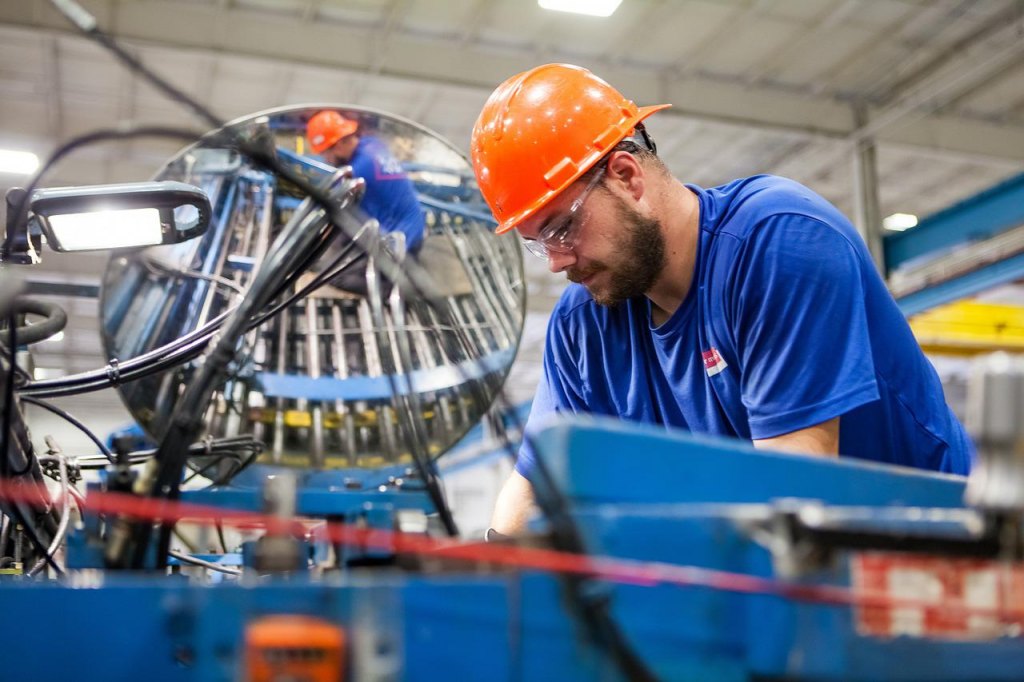
On the other hand, manufacturing companies need automation to deal with the shortage of skilled staff. The shortage of workers can disrupt supply chains and operations; thus companies in this sector rely on automation to put their limited human resources to better use.
In the consumer or retail industry, businesses often rely on automation for repetitive tasks. This is another way to address staff shortage since repetitive tasks are also often time-consuming. Retail automation can also reduce labor costs, reduce errors from manual data entry, and improve customer service. Automation, together with artificial intelligence, also helps businesses save millions in data breach costs.









 Why is FinancesOnline free?
Leave a comment!