

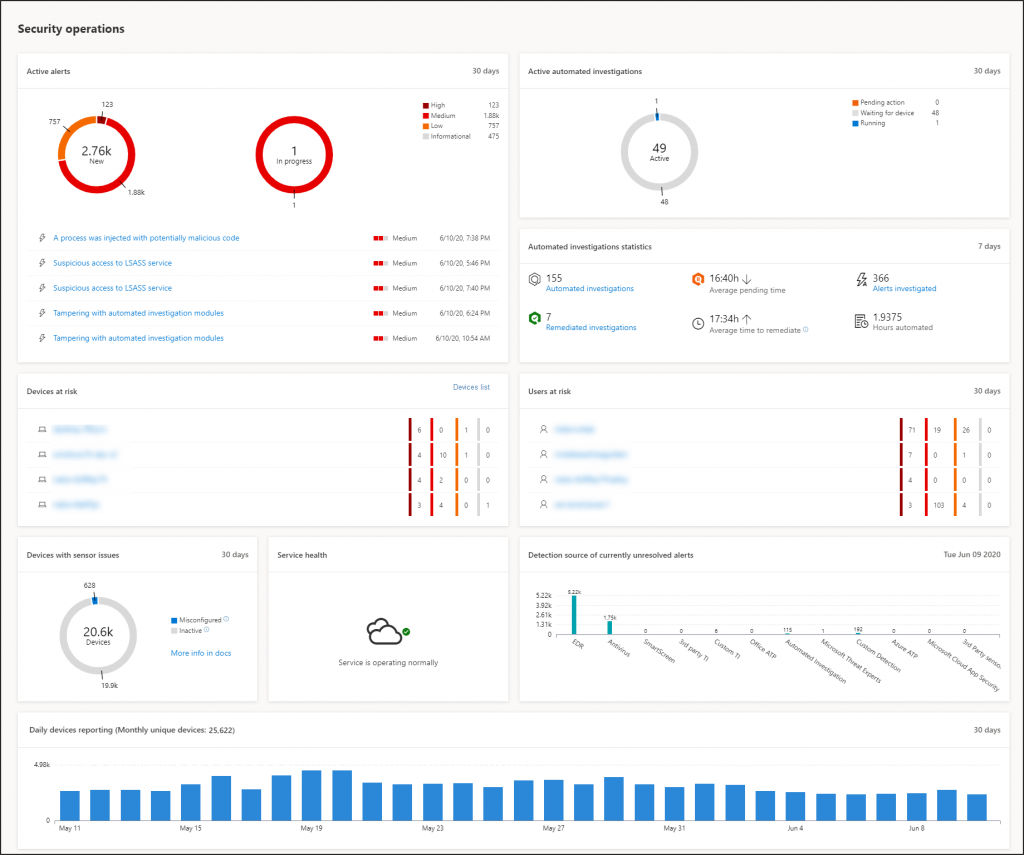
Credit: Microsoft
Microsoft updated its cybersecurity program when it launched a new version of Defender, available to Microsoft 365 Personal and Family subscribers. The new Microsoft Defender protects not just personal computers but also smartphones and other mobile devices. It supports a variety of operating systems, including Windows, macOS, iOS, and Android, and is capable of affording protection to all devices in a household. This is good news considering the perpetually rising threat of cybercrime.
The latest incarnation of Microsoft Defender offers real-time cross-platform protection from viruses, malware, phishing attacks, and other online threats. In addition, it enables users to manage the level of protection and track the security statuses of all devices from one centralized location. It serves as a primary or supplementary means of digital security, as it works alongside built-in security platforms like Windows Defender and the pre-installed ones on mobile devices. In fact, users can view the status of coinciding security systems within the platform.
Moreover, Defender sends real-time updates to all covered devices. It also provides recommendations on the best courses of action should a malicious program or a phishing attack be detected. For more comprehensive protection, users can schedule system scans, which allow the platform to detect and isolate embedded threats. Some of these can be deleted within the interface.
Microsoft shares that it will roll out new features in the future, including protection from identity theft and enhanced security for online connections. These are most welcome since today’s cyber threats have grown more sophisticated and cyber attacks are now more frequent. It’s important to note that a single data breach, on average, costs more than $4 million.
Cybersecurity Is a Necessity
The need for enhanced cybersecurity is underscored by the frequency, variety, and costs of today’s cyberattacks. The latest cybersecurity statistics reveal that 921 password attacks take place every second, double the number recorded in 2021. This has sparked talks about replacing passwords with other modes of verification. In fact, Microsoft has given users the option to ditch their passwords in favor of an authentication app, which sends passcodes. Microsoft Defender helps in this regard since it detects threats in real-time.
Another major concern is the growing number of cyberattacks each year. Kaspersky’s 2022 report shows that the number of online attacks grew from 32.5 million in the first quarter of 2021 to 35.4 million in the same period of 2022. In addition, the number of password-stealing attacks increased from over 3 million to over 4 million, year-over-year. The new Defender can help bar the entry of malicious applications that are aiming to steal sensitive information.
Furthermore, Microsoft made sure to include anti-phishing in Defender’s arsenal since phishing is the most common type of cyberattack experienced by businesses in the United States. In the US alone, there were 241,342 phishing victims reported to the FBI in 2020. These do not include unreported cases, which could outnumber the disclosed ones.
What’s more, 3.4 billion phishing emails are sent daily. While internet-savvy individuals can dodge these, less-techie users can likely fall prey. This is where Defender or any advanced cybersecurity platform steps in. It can detect and flag suspicious emails and websites.
Even if Defender comes with a multitude of safety measures, it’s good practice to supplement it with another effective platform, say, a browser protection app like Google Safe Browsing, to maximize the number of threats detected and dealt with. Going with passcode-based authentication, instead of passwords, could also ease the burden on one’s security system, since an entire type of cyberattack is taken out of the picture.















 Why is FinancesOnline free?
Leave a comment!