

Source: pixabay
In a time when the price of every commodity and service seems to be rising, your favorite SaaS software might be next.
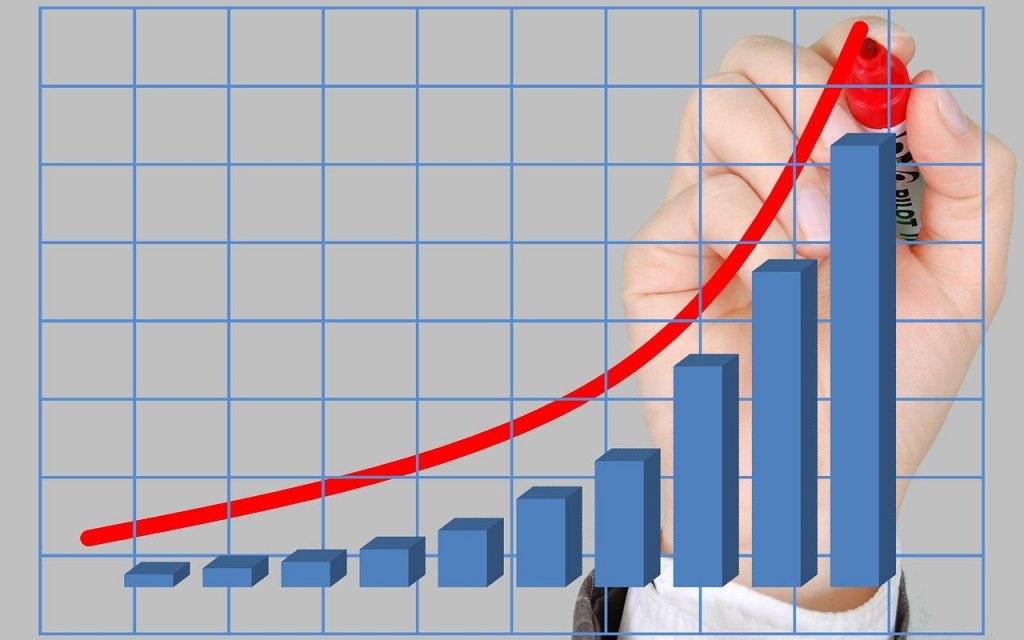
Industry studies project that SaaS vendors plan to increase prices in the next three years. The increase will be between 15% to 20% and could include a variety of reasons. From inflation to environmental sustainability and labor costs, users may have to pay more if they want to keep using their SaaS apps.
Well-known SaaS vendors like Slack and Microsoft have already increased their product pricing this year. And with the continued macroeconomic factors and geopolitical issues, we could see more vendors following in these footsteps.
Why the Price Hikes?
As we searched through the many price increase reasons vendors are sighting, three recurring factors seem to come up. One is inflation.
It’s not surprising to see price changes as global economies are struggling from record-setting inflation. It can be costlier to obtain raw materials, maintain wages, or deal with currency fluctuations. SaaS vendors are not spared from the impact of rising costs in providing their service or product, so, inevitably, they will pass on this cost to their clients.
Another reason for SaaS price hikes is the ongoing labor shortage in the IT industry. Analysts also say that the skills shortage is further aggravated by the Russian-Ukraine war, which has diminished the global pool of software developers and IT talents.
Moreover, companies are competing to keep great talent. The Great Resignation, for instance, has influenced many experienced IT professionals to leave their jobs. As a way to attract new workers or keep current ones, SaaS vendors often provide higher wages, added benefits, and other perks. As a result, costs also increase in sustaining the company.
SaaS vendors have also cited sustainability regulations as a cause of their price hikes. For example, vendors point to using green data centers as more expensive; thus they have to pass on the cost to their subscribers.
Don’t Take Price Hikes at Face Value
Though SaaS price hikes might be inevitable, it’s still important for users to demand transparency from vendors. This includes clear explanations of why a price increase is necessary.
Users should also make their own investigations on the price increase. It’s easy to use inflation as a scapegoat for any price hike. But customers can check the local rate of inflation against the price increase of their SaaS provider. This could help protect customers from opportunistic SaaS vendors.
Also, sustainability regulations are supposed to make things more efficient and ultimately, lower costs. It’s worth scrutinizing price hikes based on sustainability because some vendors might be exaggerating their claims against the actual cost of using green technology.
Users can also opt for contract negotiations or wait for financial incentives. Contract negotiations are especially applicable to enterprise users who often have customized plans and a larger number of users. If you’re a long-time user, it’s worth negotiating your contract renewals to see if you can qualify for better deals instead of relying on auto-renewals.
Meanwhile, financial incentives pertain to getting discounted plans or premium features at certain times of the year. For example, during the end of a quarter or year-end sales. Since the SaaS model is dependent on both vendor and subscriber, both parties should ideally reach deals that are beneficial to both.










 Why is FinancesOnline free?
Leave a comment!